 Familias
A few days ago, I had the opportunity to deliver an online workshop for occupational therapists and other health and social care professionals on a topic that has accompanied me for more than fifteen years: the potential of the marine environment to create meaningful opportunities for participation.
The workshop was made possible thanks to the initiative of Sentits Formación, Logros and Pilar Toledo, whom I would like to sincerely thank for their invitation, trust, and commitment to creating spaces for learning and reflection around Occupational Therapy and participation
The workshop was titled “Occupational Therapy in the Marine Environment: Creating Community-Based Projects” and was based on the experience of Disfrutar el Mar (“Enjoy the Sea”), a project that we started in 2010 and that continues to grow and evolve every year.
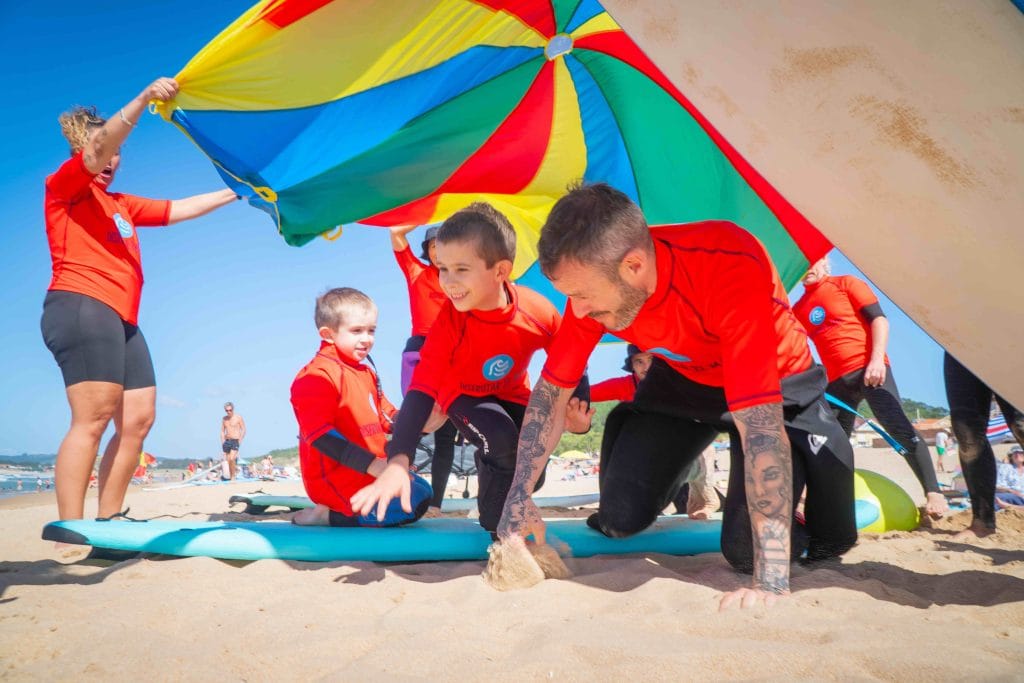
Interestingly, Disfrutar el Mar was not born from a specific theory or from the intention to develop an innovative program. It was born from observation.
As an occupational therapist, I frequently saw children who received support in different areas of their lives but had limited opportunities to participate in leisure activities, sports, and community experiences alongside their peers. At the same time, I had discovered the beach and the sea as extraordinarily rich environments for play, movement, sensory experiences, exploration, and social interaction.
A simple question emerged:
Could we use this environment to create real opportunities for participation?
Throughout the workshop, we talked precisely about that: participation.
Participation is one of the cornerstones of Occupational Therapy. It is not simply about being present in an activity; it is about feeling part of it, having a role, being able to contribute, and sharing meaningful experiences with others.
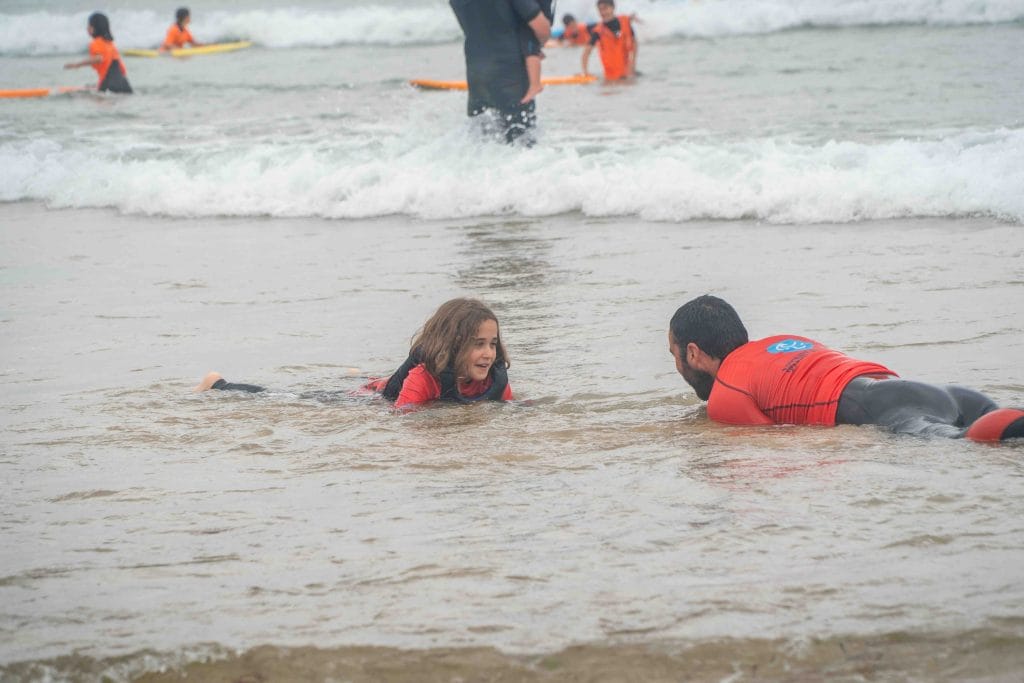
From this perspective, we explored how a community-based project can become a powerful tool for supporting the participation of children with diverse profiles, and how the role of Occupational Therapy goes far beyond organizing activities. Our work involves understanding each individual, analyzing the demands of the activity, reading the environment, and creating the conditions that make participation possible.
We also reflected on the unique characteristics of the beach and the sea as intervention contexts. They offer constant opportunities for play, movement, regulation, challenge, exploration, and learning, while also providing a wealth of sensory experiences that can be understood and utilized through the lens of Ayres Sensory Integration.
Another central topic was the role of volunteers and mentors. After so many years of running the project, I am increasingly convinced that one of the most valuable resources of Disfrutar el Mar is its people. They are the ones who create safety, facilitate participation, support regulation, build relationships, and help each child find their place within the group.
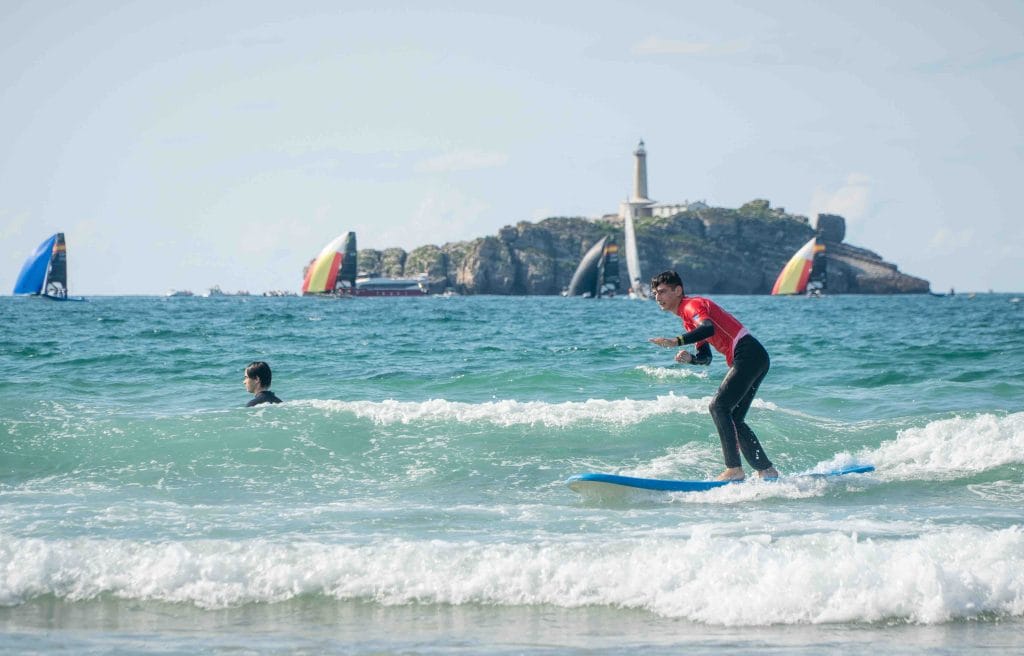
If there is one idea I hope participants took away from this workshop, it is that participation does not happen by chance. It requires intention, preparation, support, and a community willing to create spaces where everyone can belong, contribute, and feel valued.
Fifteen years later, Disfrutar el Mar remains an ongoing response to that original question. It continues to learn, grow, and explore how the sea, the community, and human relationships can become powerful allies in creating meaningful opportunities for participation.
Thank you to everyone who attended and shared their reflections throughout the session.