 Familias
This past weekend, I had the pleasure of participating as a speaker at the congress held in Valencia.
I am still deeply impressed by the quality and depth of the contributions shared. Professionals from different social and healthcare fields gathered at the Faculty of Psychology of the Catholic University of Valencia to reflect and build together.
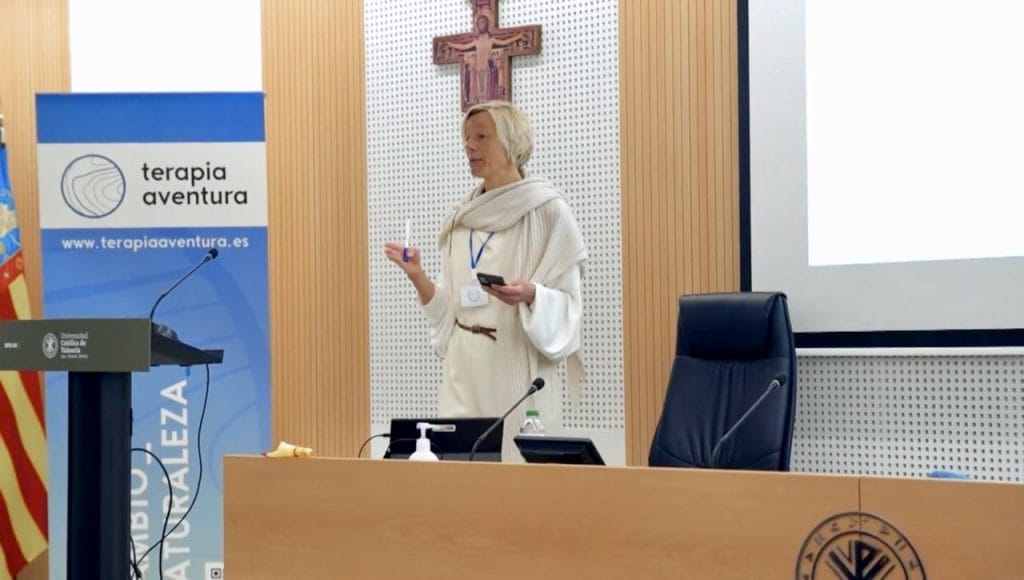
The opening session was led by María José “Mache” Treviño, who shared her experience and vision on how to expand and normalize nature-based interventions and support processes. She emphasized the importance of green spaces in cities as accessible environments for outdoor therapeutic work, reminding us that true adventure is not external, but internal.
She also introduced a renewed perspective on health, integrating not only the medical and social dimensions, but also incorporating the environment as an essential part of wellbeing. Understanding that the environment is not a neutral context, but an active element in our health, opens new possibilities for intervention.
For my part, I had the opportunity to present my work in beach and marine environments, focusing on the impact that water and the sea have on wellbeing and health. I shared both my experience through Disfrutar el Mar and my clinical practice.
The following round tables showcased a wide range of projects working in nature. From initiatives in Alfafar, which use walking as a way to connect older adults experiencing loneliness, to projects like Maxi Prieto’s, which uses the Camino de Santiago as a therapeutic setting for people facing mental health challenges.
Projects related to Adventure Therapy were also presented, including both direct interventions and collaborations with other organizations, such as Aventúrate, which carries out particularly meaningful work with people living with chronic mental health conditions.
I found it especially enriching to listen to Nazaret Hernández, occupational therapist at Fundación Acavall, who offered a profound reflection on the human being as an agent who impacts others. In occupational therapy, there has long been a tendency to focus on occupation somewhat detached from its social and physical impact. From her perspective, she highlights the importance of individuals perceiving themselves as people who influence and contribute.
She also left us with a thought-provoking question: what happens when the emphasis on autonomy disconnects us from others? What meaning does it have if we are not embedded in meaningful relationships?
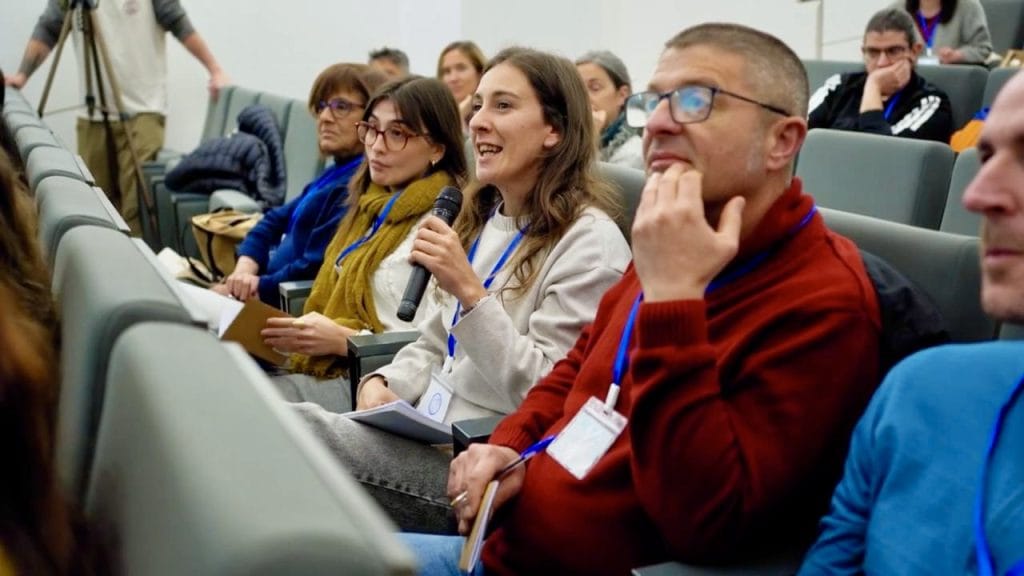
As often happens in these gatherings, many of the most valuable exchanges also took place in the corridors, over coffee, informal conversations, and shared laughter. Spaces where there was also room to acknowledge the challenges, fatigue, and demands that accompany our work.
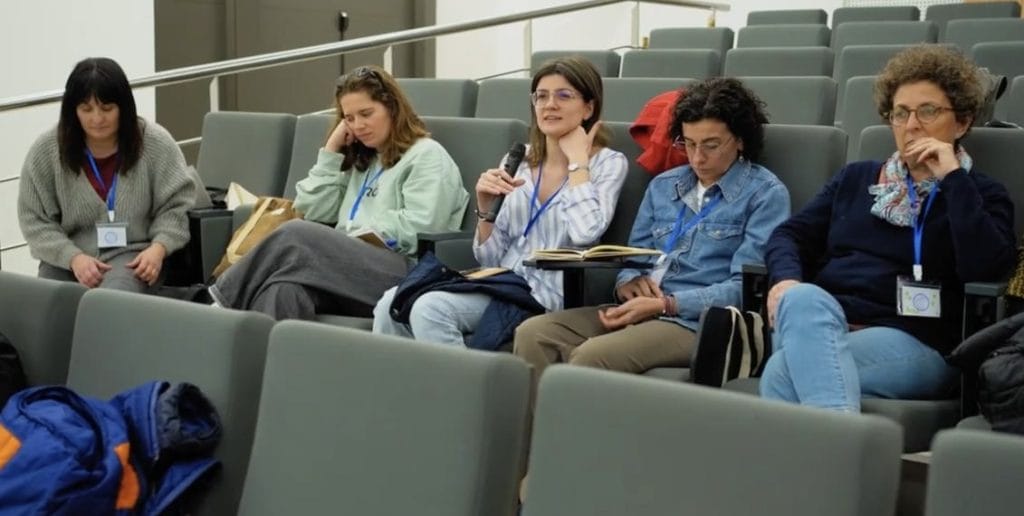
There was space for everything. And that, without a doubt, is a privilege.
I would especially like to thank Alexander Rose and his entire team for the tremendous work involved in organizing this event.
It has been a true pleasure to participate, share, connect, reflect, and continue dreaming together.
Thank you.