 Familias
In the “Positive Communication” course for Diakonie Baden-Württemberg, we began by looking at the typical phrases we use in everyday life, especially those that come up when we want to correct or set limits. Many of them include a “no” and convey a more negative message than we intend: don’t do that, don’t take that, don’t climb, don’t go…
Without noticing it, we can get stuck in a language focused on prohibiting. And even if it is not our intention, the impact on the person who receives it is often unhelpful.
To better understand where these messages directed at children come from, we explored the image we have of them: our values, expectations, and the way we view these “little beings.” Do we see them as dependent and easily overwhelmed, or as individuals who are learning, who have many abilities, growing autonomy, and a strong desire to explore—even if the result is not as perfect as when we do it ourselves?
Our language stems from this inner image. The way we understand children directly shapes how we speak to them.
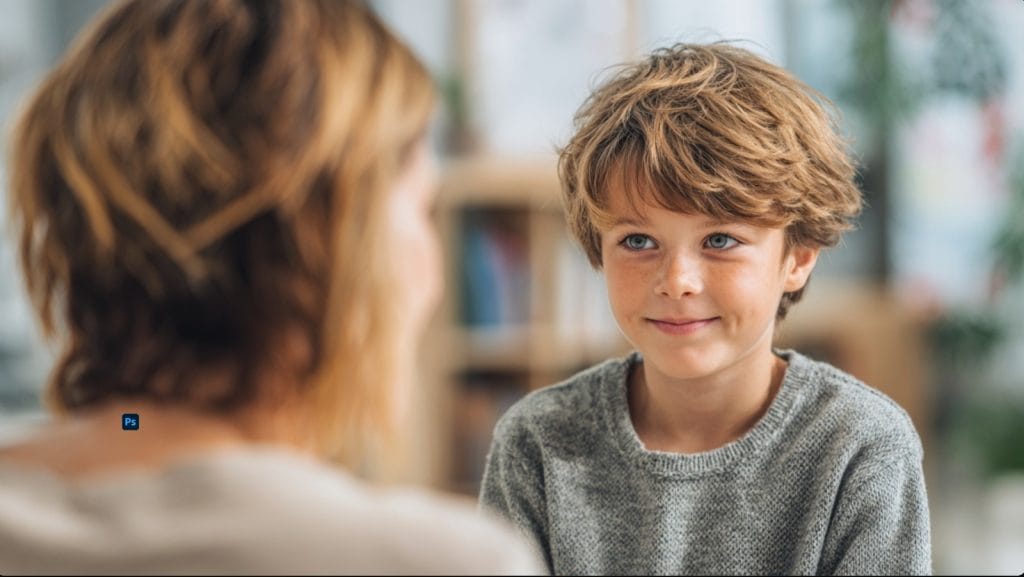
And the opposite is also true: our language influences how children see themselves. Being aware of this is essential, because we accompany their development through the lens of our own perception.
One of the most well-known models in this field is Nonviolent Communication (NVC). Through a video, participants learned about its four key elements: observing without judging, expressing emotions, identifying needs, and formulating clear and concrete requests.
They also listened to several communication-focused podcasts, which they later discussed in small groups and then shared in the larger group.
In the afternoon, we worked on handling challenging situations and how to approach them through communication. To close the day, we returned to the “typical phrases” collected in the morning, analysing the intention behind each one, the underlying need, and how to express them in a more positive, cooperative way.
It was an intense and very enriching day. It was a pleasure to collaborate once again with Kiki Kreuder in this seminar.
For me, this topic is essential in everyday life and especially for those working in the social field. It is encouraging to see young people so committed, thoughtful, and attentive in their approach to working with children.