 Familias
During the online training for Diakonie Germany, an essential question emerged: what do children truly learn throughout the day as they engage in their everyday activities? We often accompany their routines without noticing how much they are absorbing through every small action—when they move, eat, get dressed, play, or face a challenge.
Participants were able to analyze in detail everything children learn during these different moments of aily life. This exercise helped broaden their perspective and value processes that are not always recognized as educational experiences.
Another key aspect was understanding children’s behaviors. Sometimes reactions may seem challenging; however, many are part of a natural process of exploration, self-regulation, or discovery. Viewing behavior through this lens allows us to support children more sensitively, avoiding quick interpretations that frame a behavior as deliberate opposition.
To deepen these reflections, we organized a “podcast walk,” where participants listened to various experiences and documentations about children’s learning. They then had time to reflect, discuss, and draw shared conclusions, enriching everyone’s perspective.
We were also accompanied by insights from André Stern, who offers an inspiring view of the connection between neuroscience and learning. His way of highlighting the importance of emotion, intrinsic motivation, and curiosity encouraged us to revisit our own practices. Sometimes, among reward systems, stars, and point charts, we forget that what truly leaves a lasting imprint is the emotional spark that ignites learning, the feeling that connects us with the desire to know.
The session was dynamic, engaging, and for many, too short. There is a shared motivation to continue exploring how to nurture that spark in everyday situations, respecting each child’s rhythm and curiosity.
We hope participants keep observing, experimenting, and discovering new ways to support those “little sponges” who arrive in the world with a remarkable eagerness to learn.
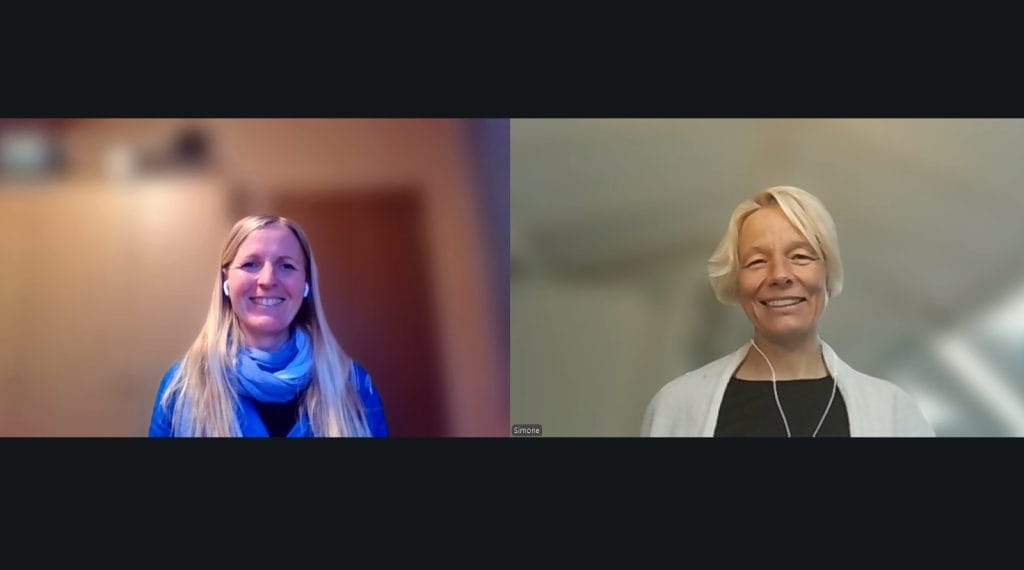
Many thanks to Kiki Kreuder for the wonderful collaboration. It is always a pleasure to work together in a teaching team where everything flows naturally, without the need for many words.